Rajputana — The Land of the Rajputs
Loading Rajputana extract…
Rājputana (meaning "Land of the Rajputs") was a historical region in the Indian subcontinent encompassing mainly present-day Rajasthan, parts of Madhya Pradesh and Gujarat, and adjoining areas of Sindh. It was defined by numerous Rajput kingdoms and principalities with a strong warrior ethos, deep traditions of honour (izzat), kinship networks, and martial governance.
The Dogra Rajputs and Jammu
Loading Dogra dynasty extract…
Origins, Lineage & Ethno-Linguistic Roots
The Dogras are an Indo-Aryan ethno-linguistic group primarily residing in the Jammu region between the Chenab and Ravi rivers, speaking the Dogri language. Key historical aspects of their origins include:
- Suryavanshi Lineage: The ruling dynasty traces its ancestry to the Jamwal Rajputs, who claim direct descent from Raja Kush, son of the Suryavanshi King Ramchandra of Ayodhya.
- Etymology of "Dogra": The term is believed to derive from the ancient kingdom of Durgara, referenced in an 11th-century copper-plate inscription, which gradually evolved into the regional name Duggar.
- Feudal Integration: The Dogra Maharajas integrated various autonomous hill principalities into a centralized princely state after 1846.
Rise to Power under Maharaja Gulab Singh
The Dogra dynasty rose to regional prominence in the early 19th century under Gulab Singh, who initially served as a noble in the Sikh court of Maharaja Ranjit Singh:
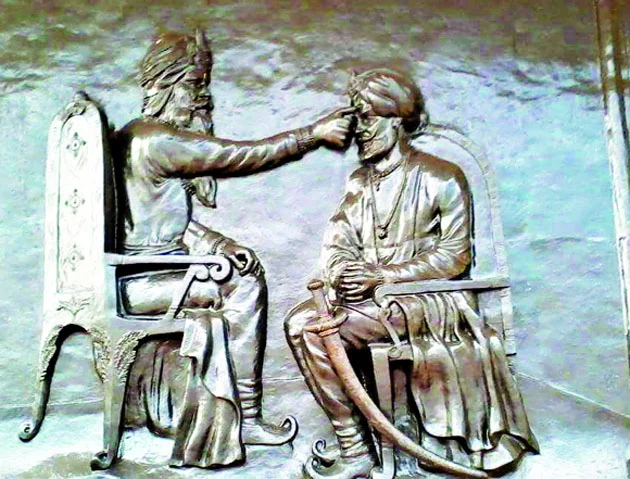
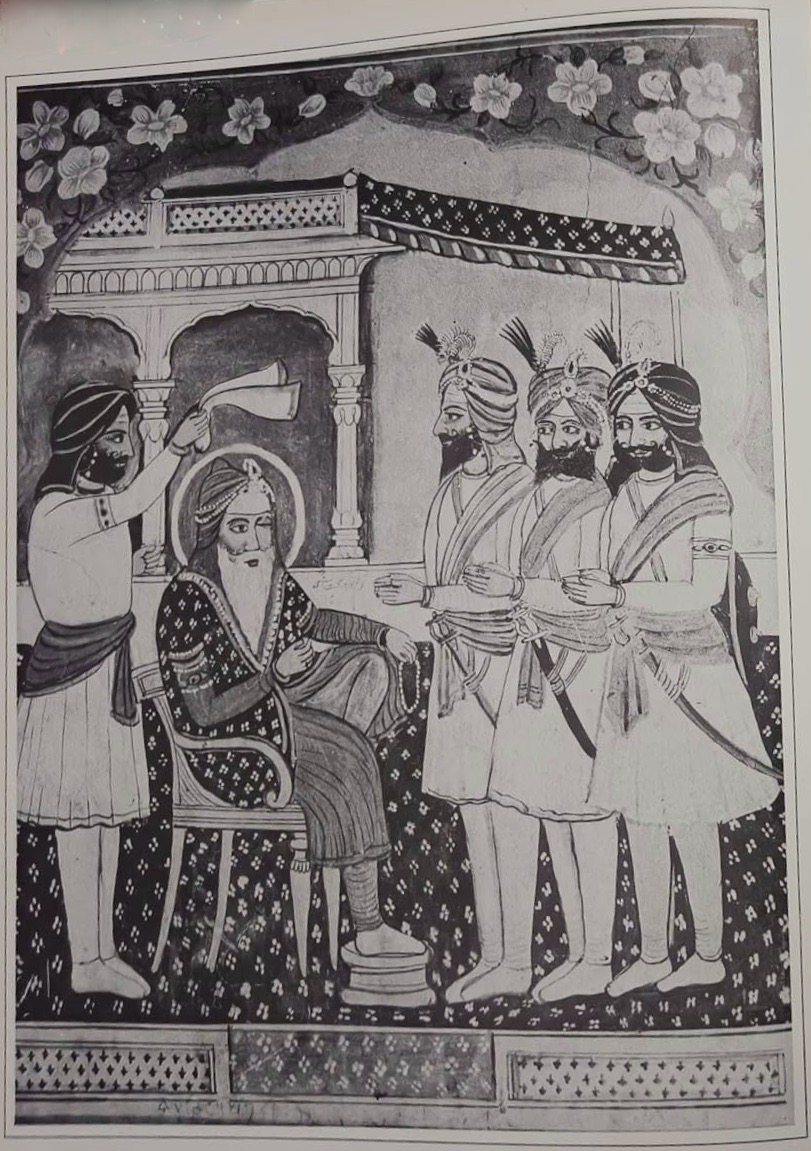
- 1820: Appointed as the hereditary Raja of Jammu by Maharaja Ranjit Singh. He consolidated control over surrounding hill states and expanded his influence northward, conquering Ladakh and Baltistan.
- 1846 — Treaty of Amritsar: Following the First Anglo-Sikh War, the British East India Company acquired Kashmir from the Sikh Empire and transferred it to Gulab Singh for 75 Lakh Nanakshahi rupees, recognizing him as the independent Maharaja of Jammu & Kashmir.
- Sikh Court Leadership: Gulab Singh's brother, Dhian Singh, served as the Prime Minister (Wazir) of the Sikh Empire under Ranjit Singh, while brother Suchet Singh was a top military commander.
Dynastic Monarchs & Historical Portrait Gallery
The sovereign lineage of the princely state of Jammu & Kashmir was led by four paramount Dogra Maharajas from 1846 to 1952:
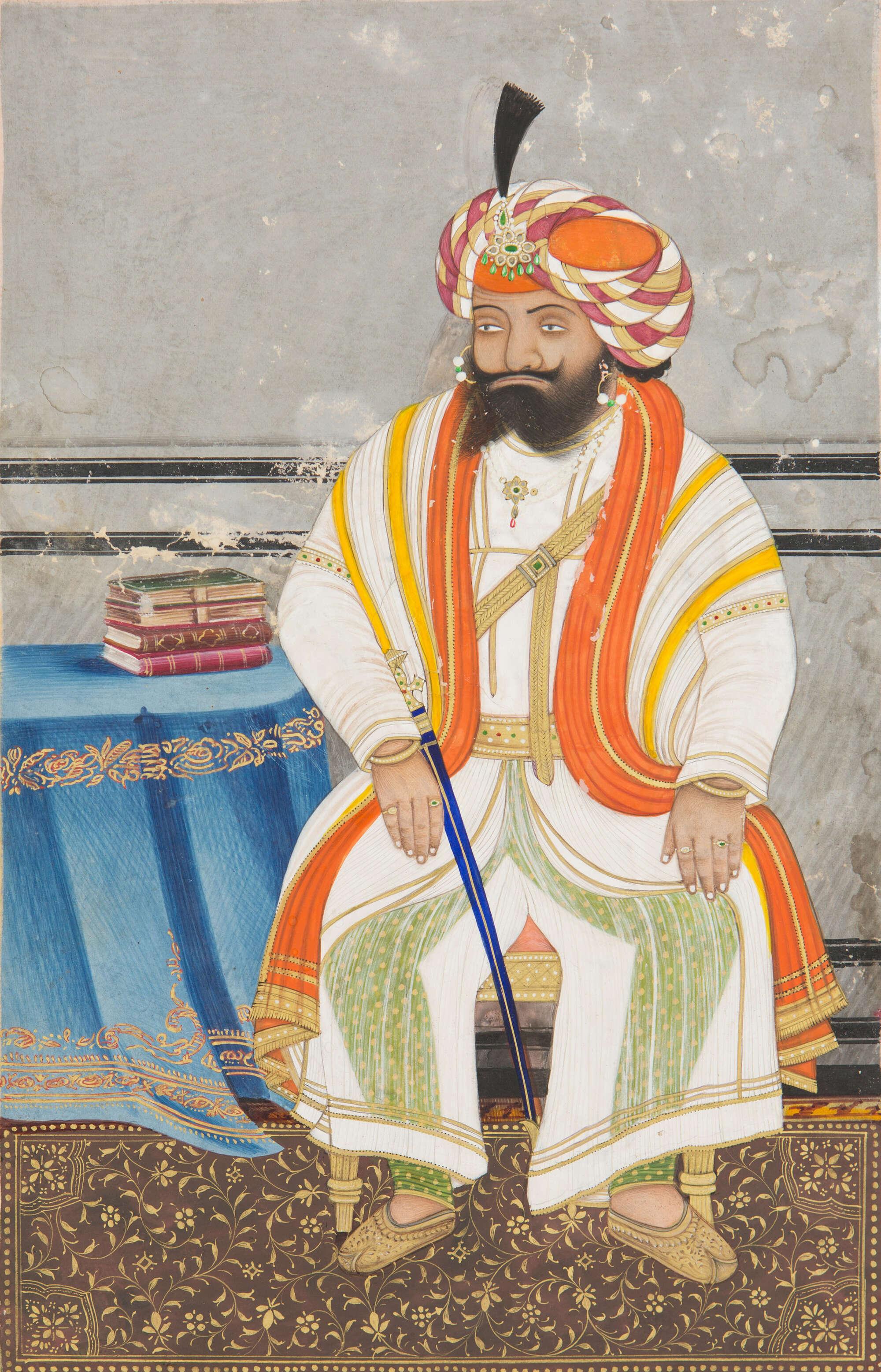
Maharaja Gulab Singh
(Reign: 1846–1857)Founder of the state of J&K, conqueror of Ladakh & Baltistan.
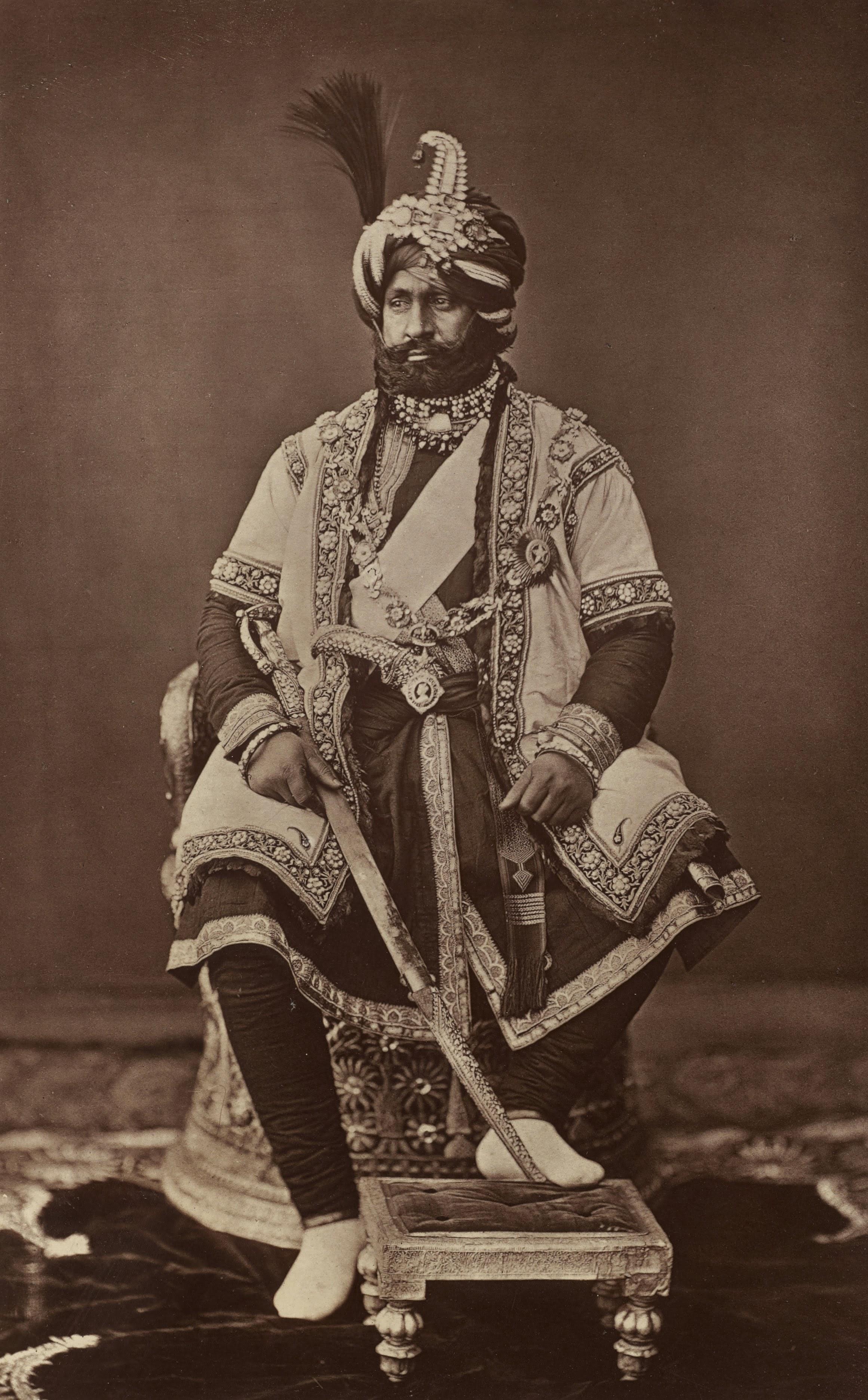
Maharaja Ranbir Singh
(Reign: 1857–1885)Patron of Sanskrit scholarship, built Raghunath Temple & legal penal code (*Ranbir Penal Code*).
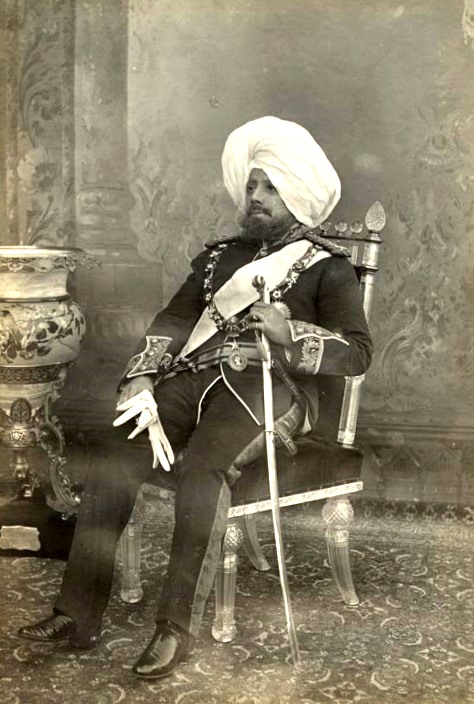
Maharaja Pratap Singh
(Reign: 1885–1925)Pioneered modernization: Jhelum Valley Cart Road, Banihal Cart Road, hydroelectric power.
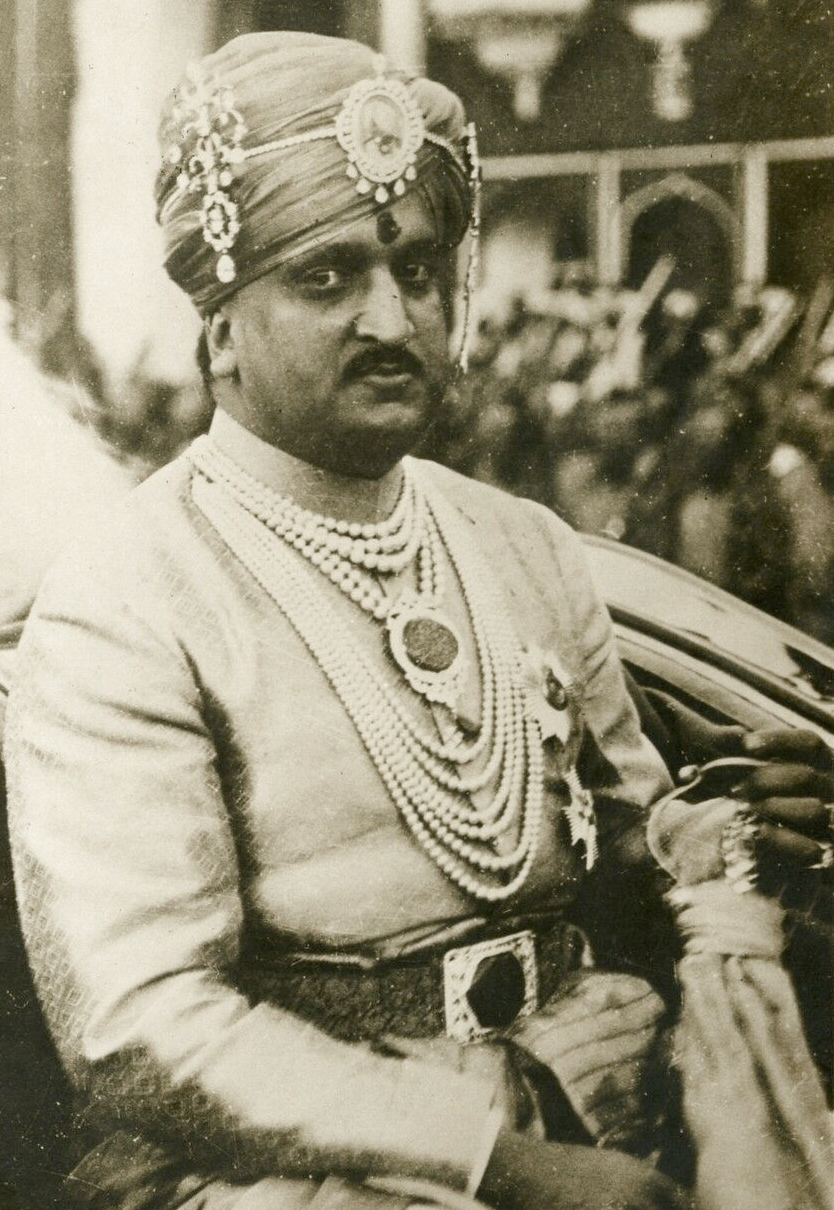
Maharaja Hari Singh
(Reign: 1925–1952)Signed Instrument of Accession in 1947; introduced free Dalit education & anti-caste reforms.
Administration, Social Reforms & Architectural Legacy
Social Reform & Dalit Upliftment under Maharaja Hari Singh
Maharaja Hari Singh, the last ruling Dogra monarch, introduced progressive modernization reforms during his reign (1925–1952):
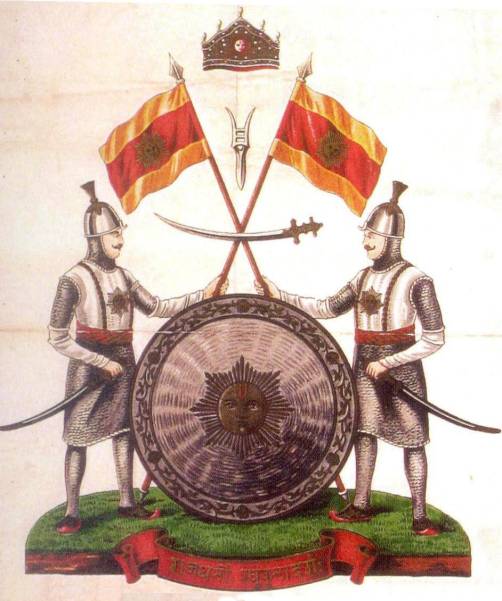
- Mandated compulsory primary education across the state and established free schools.
- Instituted state-funded scholarships specifically reserved for Dalit students to foster higher education.
- Passed landmark social legislation opening all Hindu temples to Dalits and banning child marriage and polygamy.
Martial Tradition & The Dogra Regiment
The Dogra rulers maintained a formidable military tradition. The Dogra Regiment contributed significantly to both World War I and World War II on global fronts, and today continues as one of the most decorated infantry regiments of the Indian Army.
Architectural Legacy of the Dogra Dynasty
The Dogra Maharajas commissioned grand architectural landmarks across Jammu & Kashmir that reflect a blend of Dogra, Mughal, and European neo-classical styles:
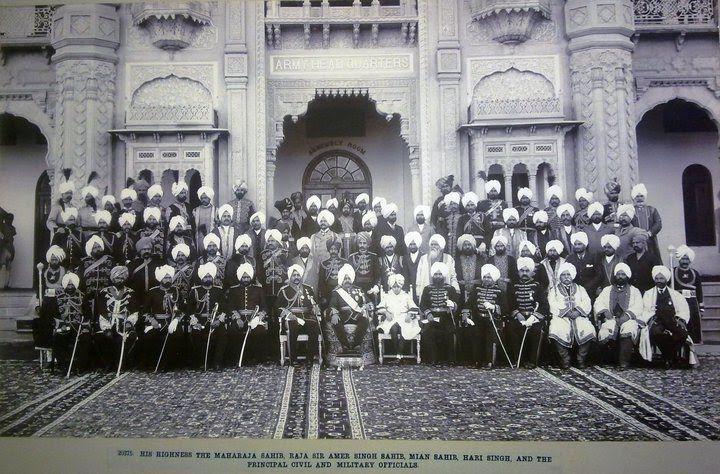
🏰 Mubarak Mandi Palace Complex (Jammu)
The main royal seat for over 150 years. Features the Pink Hall, Gol Ghar, Maharani's Palace, and rich Dogra art galleries overlooking the Tawi river.
🕌 Sher Garhi Palace (Srinagar)
Built along the banks of the Jhelum river, serving as the official summer residence and administrative center of the Dogra Maharajas in the Kashmir Valley.
🏛️ Gulab Bhavan (Srinagar)
Built by Maharaja Pratap Singh in 1910 and expanded by Maharaja Hari Singh, overlooking Dal Lake in Srinagar (now Lalit Grand Palace).
Dogra Folk Customs, Oral History & Performing Arts
Beyond royal diplomacy and military campaigns, traditional Dogra culture is deeply anchored in village rituals, oral history archives, and folk sacred arts:
- 📜 Kaarak (Oral Historiography): Traditional narrative ballads sung by folk bards (Gardis), preserving oral history archives of ancient heroes, saints, and local battles across generations.
- 🥁 Kudd Ritual Dance: The premier group dance of the Jammu hills, performed around night fires during temple melas in honor of local deities (Lok Devtas).
- 🌱 Rutt Raade Agrarian Rites: Monsoon fertility ritual where women sow seven types of seeds in earthen pots (Raade) from Aashaad to Shravan Sankranti, praying for soil prosperity.
- 👰 Jagrana & Surma Fumenie: Women-only wedding night dance performances (Jagrana) and festive chorus singing (Fumenie) celebrating familial love and domestic warmth.
Modern Context
Modern references to "Rajput Diwas" and similar community observances are community-specific commemorations maintained by Rajput organisations across India, including in J&K's Jammu region. These are cultural events rather than official state or national holidays.
The study of Rajputana's connections to J&K is primarily a historical and cultural enquiry — providing context for understanding the social and political structures that shaped the region before and during British rule, and the dynasty that governed it until 1947.